How to Wear All Your Wardrobe: A Wardrobe Edit That Actually Works
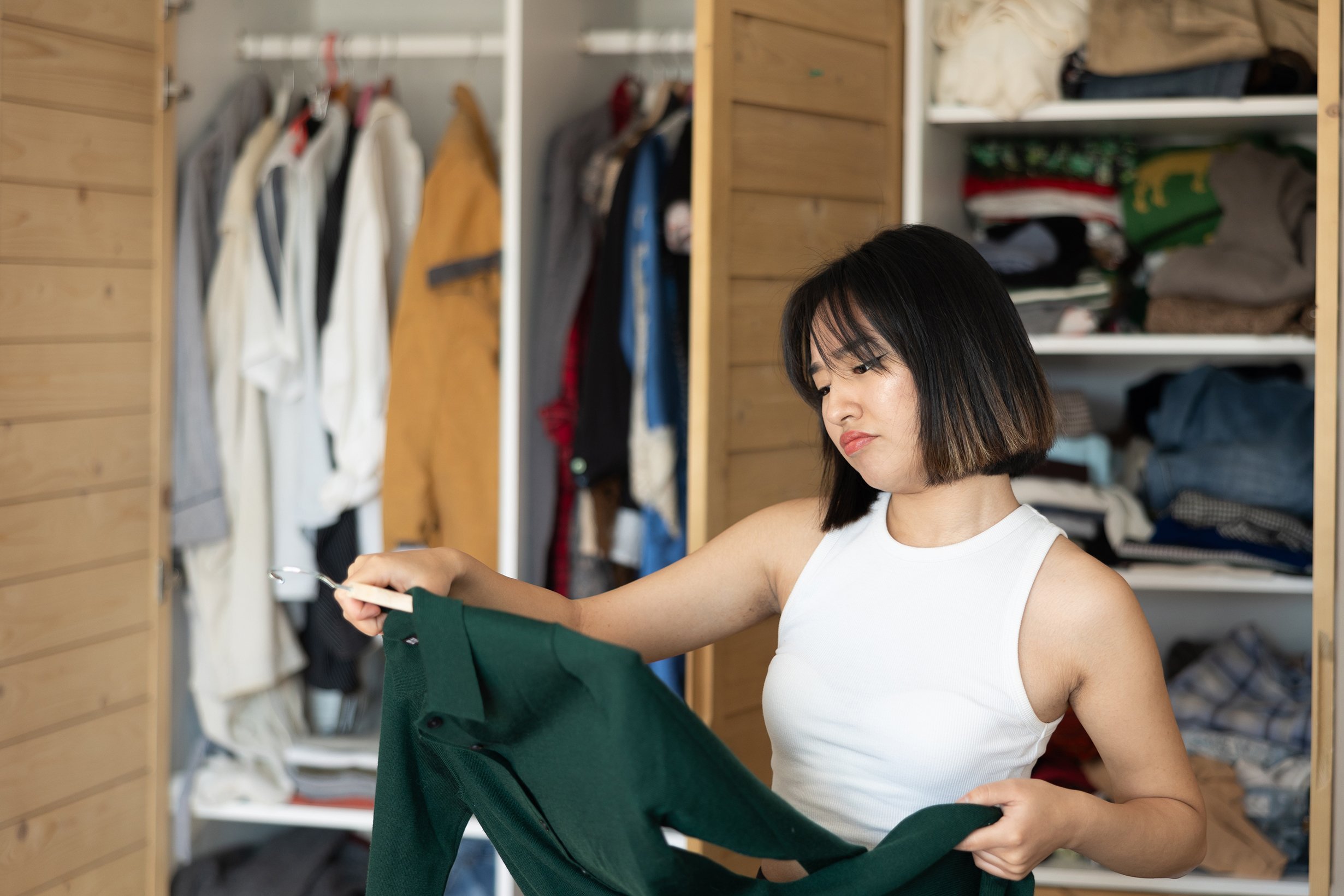
Have you ever looked at your wardrobe filled to the brim with clothes, yet thought, ‘I have nothing to wear?
Why You Only Wear 20% of Your Clothes - And How to Change That
If this is you, you are not alone! Many people fall into the habit of only wearing about 20% of what they own, leaving the remaining 80% - the Pareto Principle - untouched. With clothes languishing in wardrobes for years, unworn, eithern because they don’t fit or have simply been forgotten about. It’s very common when conducting a wardr0be edit for me to hear, ‘oh, I had forgotten I had that!’
But this doesn’t have to be the case. With a few intentional changes, you can maximise every item in your wardrobe and rediscover the pieces you have forgotten about.
1. Review & Edit Your Wardrobe
To start it’s essential to know exactly what’s in your wardrobe. Set aside time for a thorough wardrobe review. Pull out each piece and consider whether it suits your current style, fits well, and aligns with your career or lifestyle.
If your weight fluctuates, consider storing a few key items - like jeans or trosuers- in a different size. It isn’t a sign of failure more a considered practical decision, then you will have a few essentials ready without cluttering up your daily choices.
2. Emotional Attachments
Wardrobes often hold more than just clothing; they carry memories. Sentimental pieces, from university sweatshirts, to first dates outfits, first job suits to wedding dresses, can be hard to part with. If these items aren’t likely to be worn but hold a place in your heart, consider storing them separately in airtight containers. This way, they don’t take up valuable wardrobe space but are still preserved for the future.
3. Shop with Intention
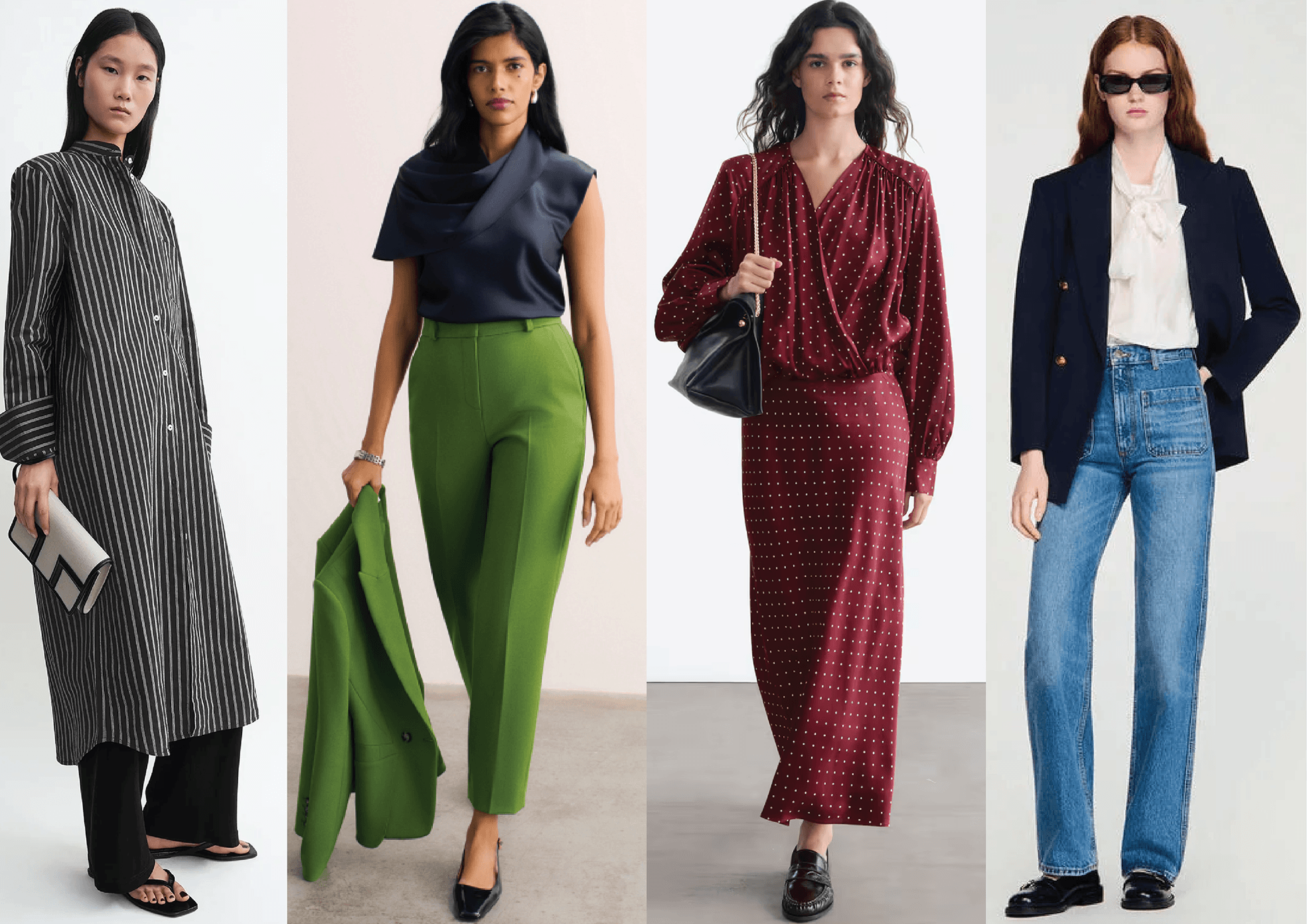
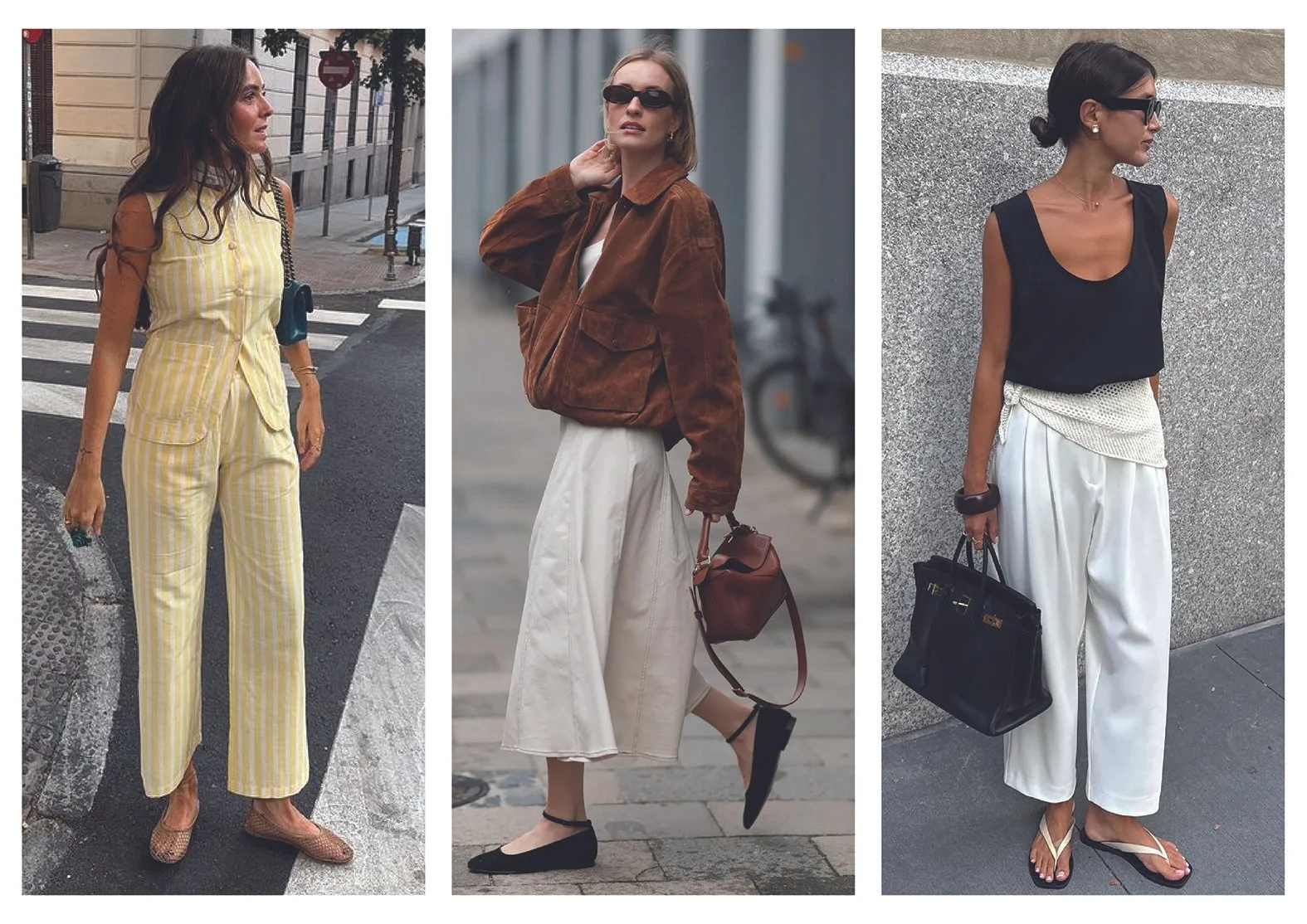
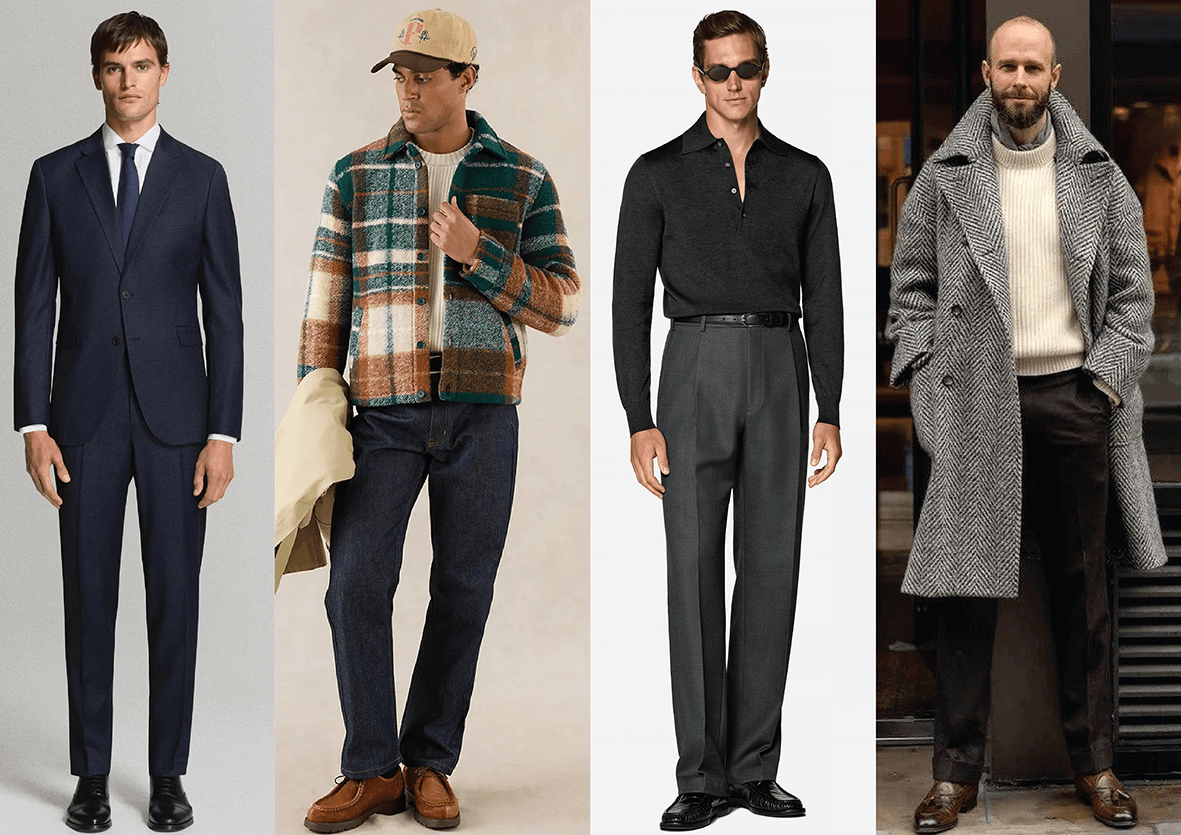
Once you’ve edited down, start building outfits from the remaining pieces. Try on combinations and see how different items work together. Take photographs of those combinations for a handy reminder. Go as far as to take photos of partial outfits, which will give you a clear idea of where your wardrobe gaps are.
Even the biggest wardrobes have missing pieces, common gaps are shoes or jackets. When editing a wardrobe and outfit building with a personal styling client, I often ask what they wear on their feet, or what happens if the temperature drops by a couple of degrees? These are ‘blind spots’ that might not stand out until you consciously look for them.
Stick to filling these gaps and resist impulse buys or sale temptations. Remember, it’s only a bargain if you wear it.
4. Rotate and Reorganize
We tend to wear the same things repeatedly simply because they’re the most accessible. Rotate and place less-worn items at the front of your wardrobe to give them a chance. Set a personal challenge to wear each of these items at least once over the next month.
You can also rotate by category. If you always reach for the same pair of jeans, move other pairs forward to encourage variety. Small changes can breathe new life into your style.
5. versatility - the rule of 3
Aim for each item in your wardrobe to pair with at least three other pieces. Jackets are a great example: a leather jacket can elevate countless outfits, a denim jacket works with almost anything, and a blazer can instantly polish a casual look. By rotating these staple pieces, you’ll keep your style fresh and feel inspired to experiment.
The same also applies to shoes. Challenge yourself to incorporate each pair you own into different looks.
How I Can Support You
Making the most of your wardrobe isn’t just about buying more; it’s a more sustainable practice of appreciating what you already have and shopping with intention. By organising, auditing, and getting creative with styling, you’ll find new ways to enjoy each piece.
If you would help maximising your wardrobe, please reach out to learn more about my wardrobe editing service. I’m a London based personal stylist, but also cover the surrounding counties.
Thank you for reading!
Lisa

Lisa a professional personal personal stylist and former fashion designer for leading brands works with with all genders. To help them transform their wardrobe and to create an elevated personal style.
Written By Lisa O'Shaughnessy
Founder of Always Stylish | Personal Stylist